
Japanese soup bowls, far more than mere vessels, embody a profound aesthetic steeped in centuries of tradition and cultural significance. Their beauty transcends simple form, reflecting a philosophy of harmony between function and artistry. From the delicate curves of a ramen bowl to the understated elegance of a rice bowl, each piece tells a story of meticulous craftsmanship and profound cultural expression.
This exploration delves into the multifaceted world of Japanese soup bowls, examining their visual characteristics, the materials and craftsmanship behind their creation, and the deep-rooted cultural influences that shape their unique aesthetic. We’ll also consider how contemporary designers reinterpret these time-honored traditions, and how the choice of bowl can significantly enhance the dining experience.
Defining the Aesthetic
Japanese soup bowl aesthetics, deeply rooted in centuries of culinary tradition and artistic expression, offer a compelling blend of functionality and artistry. These bowls transcend simple vessels for sustenance, embodying a refined appreciation for materials, craftsmanship, and visual harmony. The aesthetic is characterized by a meticulous attention to detail, often reflecting the surrounding natural environment and cultural values.The visual appeal of Japanese soup bowls stems from a sophisticated interplay of form, function, and cultural context.
The minimalist approach, emphasizing simplicity and elegance, is a key component of this style. The use of natural materials and subtle color palettes further enhances the overall aesthetic. These bowls are not merely functional containers; they are considered works of art that enhance the dining experience.
Key Visual Elements
The aesthetic of Japanese soup bowls is characterized by a harmonious blend of visual elements. Clean lines, often achieved through meticulously crafted edges and shapes, are a hallmark of the style. The bowls frequently feature a subtle curve or gentle slope, which adds visual interest and a sense of balance. Color palettes tend towards natural tones, drawing inspiration from the surrounding environment, with muted earth tones and subtle variations of white being common.
The use of textures, such as the subtle variations in glaze or the natural grain of the material, also contributes to the overall visual appeal.
Cultural and Historical Context
Japanese soup bowl aesthetics are deeply intertwined with the country’s rich history and cultural values. The emphasis on simplicity and minimalism reflects the traditional Japanese appreciation for understated elegance. Influences from Zen Buddhism, with its focus on tranquility and harmony, are also evident in the design. Furthermore, the historical evolution of pottery techniques and materials has significantly shaped the aesthetic over time.
Different eras have brought about distinct styles and techniques, reflecting the prevailing cultural and artistic trends of the time.
Common Materials
Japanese soup bowls are crafted from a variety of materials, each contributing to the overall aesthetic. Ceramics, in various forms like stoneware and porcelain, are frequently used due to their versatility and ability to achieve diverse textures and finishes. Wood, particularly in the case of handcrafted bowls, is also a valued material, often showcasing the natural beauty of the wood grain.
Lacquer, with its ability to create intricate patterns and rich finishes, is another common material for special or decorative pieces. Metal, such as bronze or copper, is sometimes used, lending a unique character to the bowl.
Comparison with Other Styles
Compared to other soup bowl styles, Japanese aesthetics often prioritize minimalism and a natural aesthetic. Western styles might emphasize elaborate ornamentation or bolder color schemes, while other Asian styles might focus on more elaborate patterns or symbolic imagery. The emphasis on simplicity, natural materials, and craftsmanship in Japanese soup bowls distinguishes them from these other styles.
Design Principles and Visual Appeal
The design principles behind Japanese soup bowls revolve around a balance between form and function. The harmonious integration of these elements contributes significantly to the aesthetic appeal. The bowl’s shape and size are carefully considered to ensure both practicality and visual harmony. The attention to detail, from the subtle curves to the polished surface, further enhances the visual appeal.
The careful selection of materials, often reflecting natural elements, adds another layer of sophistication to the design.
Role of Craftsmanship
The intricate craftsmanship involved in creating Japanese soup bowls is a crucial component of the aesthetic. Skilled artisans, often with generations of experience, meticulously shape and refine the bowls, ensuring both precision and a touch of artistry. The visible marks of the craftsman’s hand, such as subtle variations in glaze or texture, are often appreciated as indicators of the craftsmanship involved.
This connection to the human element elevates the soup bowl from a simple vessel to an object of cultural significance.
Types of Japanese Soup Bowls
| Bowl Type | Aesthetic Characteristics |
|---|---|
| Rice Bowls (O-ban) | Typically shallow, round, or slightly oblong, often made of ceramic, with simple designs, emphasizing functionality and practicality for rice consumption. The focus is on the balance of the bowl’s form and the way it holds the rice. |
| Ramen Bowls | Deep and wide, often with a slight curve or slope at the sides. These bowls are designed to accommodate the noodles and broth of ramen. The bowls often feature a slight curve or slope, allowing for easy consumption and visual appeal. The materials used might vary, but ceramics are the most prevalent. |
| Soup Bowls (Zui-yaki) | Generally deep and wide, intended for soups, stews, or other liquid-based dishes. They typically exhibit a simple, unadorned aesthetic, focused on the smooth, even finish, which aids in holding the soup. |
Visual Characteristics
Japanese soup bowls, a cornerstone of culinary aesthetics, showcase a rich tapestry of visual characteristics. Their design often reflects a deep connection to nature, incorporating subtle nuances of color, form, and texture that contribute to the overall experience of the dish. Beyond practicality, these bowls elevate the act of eating, transforming a simple meal into an artful expression.
Color Palettes
Japanese soup bowls frequently employ a palette that evokes the natural world. Earthy tones, including muted browns, creams, and grays, are prevalent, drawing inspiration from the landscape. These tones often complement the warm hues of the soup itself, creating a harmonious visual effect. Variations include subtle washes of celadon green, a color associated with serenity and tranquility, or deep blues mimicking the depths of the ocean, reflecting a broader spectrum of nature’s palette.
The use of contrasting colors, such as a bold black rim against a light beige bowl, adds a touch of dynamism to the aesthetic.
Shapes and Forms
The shapes of Japanese soup bowls are often influenced by traditional aesthetics and functional considerations. Round bowls, reflecting the cyclical nature of life, are common, with a variety of slight variations in profile. Square or rectangular bowls, though less frequent, offer a strong visual counterpoint. The subtle curvature of the bowl’s interior and exterior enhances the tactile experience.
Often, the bowl’s profile will be carefully designed to complement the specific soup being served, considering factors such as the soup’s viscosity and temperature. A deeper bowl might be suitable for a thicker stew, while a shallower bowl could be better suited for a clear broth.
Textures and Patterns
Japanese soup bowls frequently incorporate textures that contribute to their visual appeal. Glazes, from glossy to matte, can create a range of tactile experiences, enhancing the aesthetic through subtle variations. In some cases, artisans employ subtle inlays or carvings to add a unique texture, further enhancing the bowl’s overall design. Patterns, often inspired by nature or traditional motifs, are used sparingly, adding a touch of elegance and sophistication to the design.
These patterns can range from subtle floral designs to more elaborate wave patterns, each contributing to the bowl’s character.
Light and Shadow
The interplay of light and shadow plays a crucial role in highlighting the design elements of a Japanese soup bowl. The way light reflects off the glaze or the surface of the bowl can emphasize the contours and textures. Careful consideration of the placement of light sources can accentuate the curves and depths of the bowl, enhancing the sense of volume and depth.
Shadows, cast by the bowl itself or the surrounding environment, can add complexity to the overall design. The way light and shadow interact with the bowl’s surface, can significantly influence the perceived mood and character.
Lines and Curves
The use of lines and curves in Japanese soup bowls is carefully considered. Clean lines often create a sense of simplicity and elegance, while subtle curves add a touch of softness and fluidity. The interplay of these elements can evoke a sense of balance and harmony, reflecting the natural world’s organic forms. The graceful curves and delicate lines of a bowl can often draw the eye to specific features or textures, emphasizing the overall aesthetic.
Styles of Japanese Soup Bowls
| Style | Visual Characteristics | Examples |
|---|---|---|
| Raku Ware | Known for its rough, textured surfaces, often with visible imperfections, showcasing a rustic aesthetic. | Glazed stoneware with a slightly uneven surface, often exhibiting a matte finish. |
| Shino Ware | Characterized by a subtle, speckled or mottled appearance, achieved through variations in the glaze application. | Earthy tones, such as browns and creams, with irregular glazes that create a unique visual texture. |
| Imari Ware | Distinguished by vibrant cobalt blue and gold patterns, often depicting traditional motifs or landscapes. | Glazed ceramic with intricate cobalt blue designs on a white or cream background, often incorporating gold accents. |
| Kutani Ware | Famous for its intricate designs and use of a variety of colors, creating a rich and vibrant aesthetic. | Porcelain with intricate floral, animal, or landscape designs in various colors, including vibrant blues, greens, and reds. |
The table above illustrates a selection of Japanese soup bowl styles and their respective visual characteristics. Each style contributes unique visual elements to the broader aesthetic of Japanese soup bowls.
Materials and Craftsmanship
Japanese soup bowls, a testament to centuries of artistry, showcase a profound interplay between materials, craftsmanship, and aesthetic sensibilities. Their enduring appeal lies not only in their visual beauty but also in the meticulous techniques employed in their creation. The choice of materials and the execution of the craft speak volumes about the cultural values and artistic traditions of Japan.The meticulous process of crafting these bowls reflects a deep respect for the materials and the inherent beauty of the natural world.
The resulting pieces often transcend mere functional objects, becoming cherished artistic expressions. This dedication to quality and detail is evident in the selection of materials and the execution of the craft.
Ceramics Used in Crafting
A wide array of ceramics are employed in crafting Japanese soup bowls, each with unique characteristics influencing the final aesthetic. Porcelain, known for its translucency and delicate nature, often yields exquisite bowls with a refined appearance. Stoneware, with its strength and earthiness, lends a rustic charm. Earthenware, a more readily available option, offers a range of textures and colors, allowing for a diverse range of artistic expressions.
The selection of ceramic material directly impacts the bowl’s visual weight and the overall aesthetic.
Techniques for Desired Textures and Finishes
Various techniques are employed to achieve the desired textures and finishes. Hand-building techniques, such as pinching and coiling, lend a unique organic quality to the bowls. Throwing, a more refined method using a potter’s wheel, allows for precise shaping and control. Glazing techniques further refine the aesthetic. The application of glaze, often hand-painted or brushed on, significantly impacts the visual character of the bowls, ranging from matte to glossy finishes.
The resulting surface can vary greatly, reflecting the skill and experience of the artisan.
Role of Glazes and Aesthetic Impact
Glazes play a pivotal role in shaping the aesthetic of Japanese soup bowls. The choice of glaze, from translucent celadon to vibrant underglaze colors, influences the overall impression. A carefully selected glaze can enhance the inherent beauty of the ceramic material, highlighting its texture and translucence. The application of glaze, whether a single color or intricate designs, is a crucial aspect of the artistic process, ultimately contributing to the bowl’s visual appeal.
Characteristics of Different Wood Types
While wood is not as common a material for soup bowls as ceramics, certain wood types, particularly those with a natural grain pattern and a warm tone, can be used to create unique bowl designs. Maple, with its straight grain, offers a clean and modern aesthetic. Cherry wood, with its warm tones and delicate grain, brings a touch of elegance.
The use of wood in bowls often serves to complement the ceramic counterparts.
Traditional vs. Modern Techniques
Traditional methods in crafting Japanese soup bowls often involve hand-building techniques and natural glazes, reflecting a deep respect for the material and the craftsmanship. Contemporary techniques may incorporate modern technologies like kilns and precise glaze applications, offering a blend of tradition and innovation. This fusion of tradition and innovation is a hallmark of contemporary Japanese craftsmanship.
Table: Traditional vs. Contemporary Soup Bowl Making
| Feature | Traditional | Contemporary |
|---|---|---|
| Material | Earthenware, porcelain, stoneware, often with natural glazes | Same as above, but potentially with innovative blends and colors |
| Technique | Hand-building, throwing, hand-painted glazes | Hand-building, throwing, using kilns and digital design in glaze applications |
| Glaze | Natural, often translucent or matte | Variety of colors and textures, including matte, glossy, and textured |
| Aesthetic | Emphasis on natural forms and organic textures | Balance of traditional aesthetics with contemporary elements |
Cultural Influences
Japanese soup bowls, far from mere vessels, are deeply intertwined with the nation’s culinary heritage and aesthetic sensibilities. Their design, materials, and symbolism reflect a rich tapestry of cultural values, historical contexts, and evolving artistic traditions. These bowls are not simply functional objects; they are imbued with cultural significance, speaking volumes about the values and practices of the people who created and used them.Japanese cuisine, known for its emphasis on seasonal ingredients and delicate preparation, places a premium on the presentation of food.
Soup bowls, as integral components of this aesthetic, play a critical role in conveying the essence of the dish and the chef’s artistic vision. The careful selection of materials and the meticulous craftsmanship reflect a respect for the ingredients and the act of eating itself.
Connection to Japanese Cuisine
Japanese soup bowls are intrinsically linked to the nation’s culinary traditions. The bowls’ form and size often complement the specific soup or noodle dish they are intended to hold, ensuring an optimal dining experience. For example, the shallow, wide bowls are ideal for udon, allowing for a better appreciation of the noodles’ texture and the broth’s delicate flavors.
Conversely, deeper bowls are often used for miso soup, providing sufficient space for the broth, tofu, and other ingredients. This careful consideration of form and function underscores the deep connection between Japanese soup bowls and the art of preparing and consuming food.
Symbolism in Design and Materials
Various designs and materials employed in Japanese soup bowls carry symbolic weight. The use of natural materials like ceramic, often glazed with earthy tones, evokes a sense of connection to nature and the cycle of seasons. Patterns, such as the intricate floral motifs or stylized depictions of natural elements, can symbolize specific cultural narratives or historical events. For instance, the use of porcelain, known for its translucence and delicate texture, often associated with refinement and elegance, emphasizes the exquisite care taken in the creation of the bowl.
The materials and designs employed in a bowl can therefore communicate subtle layers of meaning beyond the immediate functional purpose.
Role of Japanese Aesthetics
Japanese aesthetics, particularly wabi-sabi, significantly influence soup bowl design. Wabi-sabi embraces the beauty of imperfection, impermanence, and the natural world. This philosophy is often reflected in the subtle variations in glaze, the natural texture of the clay, and the simple, unadorned forms of the bowls. A bowl, with its subtle imperfections, can be appreciated for its inherent character, echoing the transient nature of life itself.
The simple, unadorned forms often speak volumes, emphasizing the intrinsic beauty of natural materials and the essence of the food within.
Evolution of Japanese Soup Bowl Aesthetics
The evolution of Japanese soup bowl aesthetics mirrors the broader changes in Japanese culture and artistic trends. Early examples often featured simple, functional forms, reflecting the practical needs of daily life. Later, with the rise of refined aesthetics, the bowls became more elaborate, incorporating intricate designs and sophisticated craftsmanship. This evolution is also linked to the adoption of new technologies and materials, such as the introduction of porcelain or advancements in ceramic techniques.
The changes in styles and materials can be seen as a direct reflection of cultural shifts and artistic innovations within Japan.
Cultural Practices Influencing Appreciation
Specific cultural practices deeply influence how Japanese people appreciate and use soup bowls. The act of sharing a bowl of soup, often a communal meal, fosters social connections and strengthens familial bonds. The careful presentation and arrangement of food within the bowl also reflects the respect for the ingredients and the culinary process. The etiquette surrounding eating, including the manner in which the bowl is held, reflects a deep appreciation for the cultural significance of the act itself.
Historical Context of Specific Types
The historical context surrounding specific types of Japanese soup bowls sheds light on their significance. For example, the development of the chawan, a small, shallow bowl, is inextricably linked to the history of tea ceremony practices. The shape and size of the chawan are meticulously designed to enhance the experience of drinking tea. Similarly, the evolution of the suribachi, a bowl used for grinding ingredients, reflects the development of Japanese culinary techniques.
Each bowl type speaks to a particular historical period and the cultural practices of that era.
Table: Historical Evolution of Japanese Soup Bowl Styles
| Period | Style | Characteristics | Materials |
|---|---|---|---|
| Heian Period (794-1185) | Simple, functional forms | Emphasis on practicality | Earthenware, wood |
| Kamakura Period (1185-1333) | Increased use of ceramics | Development of basic glazing techniques | Earthenware, glazed ceramics |
| Edo Period (1603-1868) | Refinement of designs | Introduction of porcelain | Porcelain, stoneware, ceramics with intricate designs |
| Meiji-Showa Period (1868-1989) | Modernization and innovation | Experimentation with new forms and materials | Various ceramics, including high-fired stoneware |
Contemporary Interpretations
Japanese soup bowls, steeped in centuries of tradition, are experiencing a vibrant resurgence in contemporary design. Modern designers are not merely replicating the past but are actively adapting traditional aesthetics to contemporary sensibilities, incorporating innovative materials and techniques to create pieces that resonate with a global audience. This evolution showcases the enduring appeal of Japanese craftsmanship while pushing boundaries in form and function.Contemporary interpretations of Japanese soup bowls reflect a deep understanding of the original design principles, but also a willingness to experiment with new shapes, sizes, and surface treatments.
This fusion of tradition and modernity creates a unique aesthetic that bridges the gap between the past and the present, ensuring the longevity of this enduring art form.
Modern Adaptations of Traditional Aesthetics
Modern designers are reimagining the classic Japanese soup bowl form by exploring different proportions and profiles. While retaining the core elements of balance and simplicity, they are adding a contemporary twist through subtle asymmetries or unique textures. This modern interpretation acknowledges the traditional aesthetic values of elegance and functionality but infuses them with fresh perspectives. Examples include bowls with subtly flared rims or bowls with a slightly tapered base, offering a modern take on the classic shape without sacrificing the inherent beauty of the traditional design.
Incorporation of Contemporary Materials and Techniques
The incorporation of contemporary materials and techniques is another key aspect of modern Japanese soup bowl design. Modern materials like porcelain with unique glazes or stoneware with a matte finish add a contemporary touch. Additionally, techniques like hand-building or intricate surface decorations are being revived and reinterpreted. This allows for a broader range of aesthetic possibilities while maintaining the inherent beauty of the traditional crafts.
For instance, a ceramic bowl might feature a subtle, contemporary glaze pattern reminiscent of a Japanese woodblock print, or a stoneware bowl might showcase a unique hand-thrown texture.
Examples of Modern Interpretations
Contemporary interpretations of Japanese soup bowls encompass a range of styles, from minimalist designs to more elaborate pieces. One example might be a simple, rounded bowl with a matte finish, showcasing the beauty of the material itself. Another example could be a bowl featuring a subtle, hand-painted pattern inspired by traditional Japanese motifs but executed with a contemporary color palette.
A third example could involve a bowl with a unique, asymmetrical shape, crafted from a translucent ceramic, offering a modern take on traditional aesthetics.
Current Trends in Japanese Soup Bowl Aesthetics
Current trends in Japanese soup bowl aesthetics lean towards simplicity and functionality. This reflects a preference for clean lines, understated designs, and materials that emphasize natural beauty. However, there’s also a growing interest in incorporating subtle details and textures, creating a sense of depth and richness within the simplicity. This contemporary interpretation allows for both a timeless aesthetic and a modern feel.
Contemporary Designers and Their Work
Several contemporary designers are pushing the boundaries of Japanese soup bowl design. One designer might focus on exploring the interplay of light and shadow on various materials, creating pieces that capture the essence of Japanese aesthetics with a contemporary twist. Another designer might emphasize the tactile qualities of the material, using unique glazes and textures to create bowls that evoke a sense of warmth and comfort.
Examples include contemporary Japanese ceramicists who incorporate elements of traditional design with modern techniques.
Comparison of Modern and Traditional Soup Bowl Aesthetics
| Feature | Traditional | Contemporary |
|---|---|---|
| Shape | Typically symmetrical, often round or slightly ovoid, with a gentle curve. | May incorporate subtle asymmetry, unique profiles, or unconventional shapes. |
| Materials | Often traditional ceramic materials like stoneware or porcelain, with natural glazes. | May incorporate contemporary materials like stoneware with matte finishes, porcelain with unique glazes, or even metals. |
| Decoration | Traditional Japanese motifs, often hand-painted or applied through other traditional techniques. | May incorporate contemporary designs or abstract patterns, or emphasize the natural beauty of the material itself. |
| Function | Primarily focused on serving soup and other dishes. | May serve as decorative objects or integrate into modern interior design, extending beyond a purely functional role. |
Practical Considerations
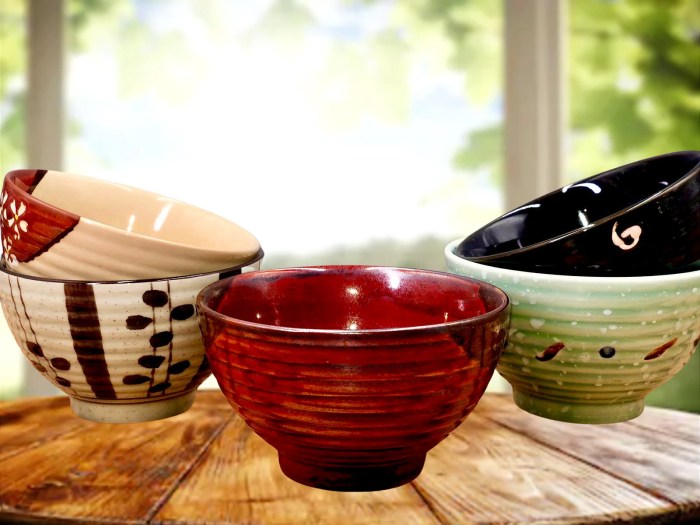
Japanese soup bowls, far from being mere vessels, are meticulously designed objects deeply intertwined with the dining experience. Their functionality transcends simple containment, reflecting a cultural emphasis on mindful consumption and the harmonious integration of form and function. The aesthetic appeal is inextricably linked to the practical aspects, creating a holistic culinary experience.
Functionality and Aesthetics
The functionality of Japanese soup bowls is deeply interwoven with their aesthetic qualities. The bowl’s shape, size, and weight are not arbitrary choices but carefully considered elements that influence the entire dining experience. A well-designed bowl facilitates easy sipping and scooping, while the material contributes to the overall thermal properties of the soup, ensuring optimal temperature retention. Furthermore, the balance and proportion of the bowl directly impact the stability and comfort of holding it, contributing to the overall appreciation of the dish.
Balance and Proportion
Precise balance and proportion are paramount in Japanese soup bowl design. A bowl that is too heavy or top-heavy will feel awkward in the hand, disrupting the delicate flow of the meal. Conversely, a bowl that is too light may lack the necessary stability, potentially leading to spills. The ideal bowl achieves a perfect equilibrium between these two extremes, enhancing the tactile experience and ensuring a seamless dining experience.
The center of gravity is carefully calculated to optimize stability and prevent unwanted tipping. For instance, a slightly wider base, common in many Japanese soup bowls, provides enhanced stability and a more secure grip.
Impact of Bowl Shape on Dining Experience
Different bowl shapes contribute unique qualities to the dining experience. A deep, rounded bowl, ideal for miso soup, allows for a satisfying slurp and enhances the warmth of the broth. A shallower, wider bowl, perhaps used for udon, allows for easier scooping and a more dynamic interaction with the food. The precise curvature of the bowl’s interior influences how the soup or food interacts with the palate, contributing to the overall sensory experience.
For instance, the slight curve in a ramen bowl may aid in controlling the noodles and broth, preventing them from splashing or slipping.
Specific Bowls for Different Foods
Japanese cuisine often employs specific bowl types for particular dishes. A shallow, wide bowl is perfect for noodles, ensuring easy scooping and a thorough mixing of the broth and toppings. A deep, narrow bowl might be reserved for clear soups or those with delicate ingredients, emphasizing the subtle nuances of flavor. This careful categorization reflects a commitment to culinary precision and highlights the importance of proper vessels for optimal presentation and flavor enhancement.
For example, a uniquely shaped bowl may be used for sushi or other appetizers, emphasizing the aesthetic value of the dish.
Weight and Stability
The weight and stability of a soup bowl are crucial considerations. A bowl that is too light can feel flimsy and unstable, potentially leading to spills. A bowl that is too heavy can tire the hand and detract from the overall dining experience. The material of the bowl and its form, including the base’s diameter, contribute significantly to its weight and stability.
A well-balanced bowl, with an appropriate weight, ensures a smooth and comfortable dining experience, facilitating enjoyment of the dish. For example, a heavy ceramic ramen bowl is specifically designed to maintain the temperature of the broth, a characteristic crucial for the noodle-based dish.
Summary Table
| Bowl Type | Shape | Functionality | Aesthetic Characteristics |
|---|---|---|---|
| Miso Soup Bowl | Deep, rounded | Enhances warmth and slurping experience | Emphasis on comfort and immersion |
| Udon Bowl | Shallower, wider | Facilitates scooping and mixing | Focus on practicality and ease of use |
| Ramen Bowl | Deep, slightly curved | Maintains broth temperature, controls noodles | Emphasis on texture and balance |
| Clear Soup Bowl | Deep, narrow | Highlights delicate flavors | Focus on clarity and elegance |
Pairing with Food
Japanese soup bowls, with their meticulously crafted aesthetics, transcend mere utility. They become integral components of the dining experience, elevating the presentation and enhancing the appreciation of the food. The careful selection of a bowl can subtly guide the diner’s perception of flavor and texture, transforming a simple meal into a sophisticated culinary journey.The optimal pairing of a soup bowl with its contents is not arbitrary.
The bowl’s form, color, and material all contribute to the overall dining experience. Consider the shape’s ability to hold and display the food, the color’s potential to complement the dish’s ingredients, and the material’s impact on the perceived quality of the meal. The right bowl can emphasize the nuances of a dish, from the subtle broth of a miso soup to the rich texture of a ramen.
Optimizing Bowl Choice for Different Food Types
The aesthetic of a Japanese soup bowl, with its diverse shapes and patterns, allows for a nuanced approach to food presentation. A carefully chosen bowl can not only visually appeal but also enhance the dining experience by drawing attention to specific qualities of the food. This careful selection of bowls is a key aspect of Japanese culinary tradition, where each element of the meal contributes to a complete and satisfying experience.
- Ramen: A deep, wide bowl with a slightly flared rim is ideal for ramen. This design allows for the noodles, broth, and toppings to be showcased in their entirety, maximizing visual appeal. The wide rim facilitates easy sipping of the broth and allows the toppings to remain visible, emphasizing their diverse textures and colors.
- Miso Soup: A shallow, rounded bowl with a slightly elevated base works well for miso soup. The shallow depth allows for easy appreciation of the soup’s ingredients, while the rounded form creates a sense of comfort and balance. The elevated base aids in the bowl’s stability, especially when the soup is hot.
- Udon or Soba: A slightly deeper bowl with a rounded shape and a slightly flared rim is recommended for udon or soba. The depth is essential to accommodate the noodles, while the shape allows for the broth to be held and appreciated. A bowl with a wider rim facilitates the sipping of the broth and also allows for a better presentation of the accompanying ingredients.
- Stews and Hot Pots: A wide, shallow bowl with a sturdy handle is best for stews and hot pots. This design allows for the enjoyment of the variety of ingredients in the stew or hot pot, while the wide shape ensures a substantial serving size. The sturdy handle is crucial for managing the hot content.
Visual Impact and Flavor Enhancement
The shape and color of the bowl play a crucial role in highlighting the flavor profiles and textures of the food. A bowl’s design can draw the eye to specific elements of the dish, emphasizing certain tastes and textures.
- Color Combinations: A bowl’s color can complement the ingredients within. For instance, a white bowl with a delicate floral pattern can beautifully showcase the vibrant colors of a vegetable-based soup, while a dark-colored bowl can emphasize the rich hues of a meat-based stew. The color contrast can also highlight the textures, like the glistening surface of a fish or the smoothness of a broth.
- Shape and Texture: The shape of the bowl can enhance the texture of the food. A rounded bowl with a smooth surface can complement the smooth texture of a creamy soup, while a slightly angular bowl can highlight the firmness of noodles or the bite of dumplings. The material of the bowl also plays a role. A ceramic bowl might offer a different tactile experience compared to a porcelain bowl.
Matching Food Types with Bowl Aesthetics
| Food Type | Optimal Bowl Aesthetic |
|---|---|
| Ramen | Deep, wide, slightly flared rim |
| Miso Soup | Shallow, rounded, elevated base |
| Udon/Soba | Slightly deeper, rounded, slightly flared rim |
| Stews/Hot Pots | Wide, shallow, sturdy handle |
Visual Representation
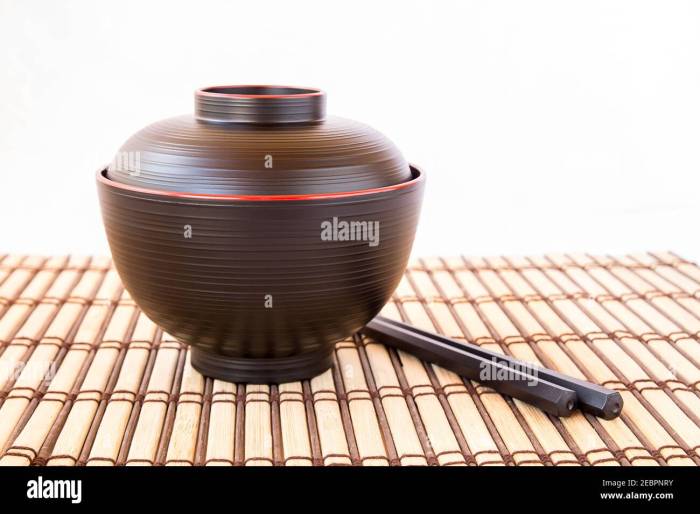
Japanese soup bowls, more than mere vessels, are potent expressions of cultural identity and artistic mastery. Their visual appeal transcends simple function, embodying intricate patterns, textures, and craftsmanship. Understanding this visual language is key to appreciating the depth of the aesthetic.The visual representation of Japanese soup bowls offers a rich tapestry of imagery, ranging from minimalist designs to elaborate patterns.
This visual exploration can be effectively presented on a dedicated webpage, showcasing the bowls in a context that emphasizes their aesthetic appeal and historical significance.
Webpage Design
The webpage should adopt a clean, modern design, evocative of Japanese aesthetics. Muted colors, such as soft grays, blues, and greens, are ideal. A minimalist approach, emphasizing the bowls themselves, is paramount. High-quality images of the bowls are essential, ideally showcasing both the exterior and interior details. The use of subtle, but effective, typography, such as Japanese calligraphy or a similar style, would further enhance the aesthetic.
Table Layout
A meticulously crafted table will display the soup bowls effectively. The table should be divided into columns, each highlighting a different aspect of the bowls. The first column will showcase the image of the soup bowl. Subsequent columns will detail the specific characteristics of the bowl, such as its design, material, and origin. A short description for each bowl will be included in the table.
| Image | Description | Material | Design | Origin |
|---|---|---|---|---|
| A hand-painted, white porcelain bowl with delicate floral patterns. | Exquisitely crafted, with intricate details. | Porcelain | Floral patterns, hand-painted | Kyoto |
| A simple, dark gray stoneware bowl with a slightly flared rim. | Minimalist, functional design. | Stoneware | Simple, flared rim | Shiga |
| A lacquered wooden bowl with a bold geometric pattern. | Sophisticated, showcasing Japanese craftsmanship. | Lacquered wood | Geometric pattern, highly polished | Nara |
| A ceramic bowl with a subtle, gradient color transition. | Contemporary interpretation of traditional techniques. | Ceramic | Gradient color transition | Tokyo |
Visual Hierarchy
The visual hierarchy will guide the user through the content. High-quality images of the soup bowls will be prominently featured, while smaller images will support the text description. The use of color contrast will highlight key information, such as the bowl’s origin or material. Clear headings and subheadings will aid navigation.
Visual Elements
The use of subtle visual elements can enhance the aesthetic. For example, incorporating traditional Japanese imagery, such as cherry blossoms or bamboo, into the background design can create a cohesive and immersive experience. The use of subtle animations or transitions between images can enhance the visual appeal and keep the user engaged.
Examples of Visual Representations
Visual representations of Japanese soup bowls encompass a broad spectrum. They range from simple, functional designs to elaborate, artistic pieces. The images may depict the bowls in various settings, such as a traditional Japanese home, a modern restaurant, or a museum display. These diverse representations highlight the versatility and adaptability of the aesthetic.
Inspiration and Inspiration Sources
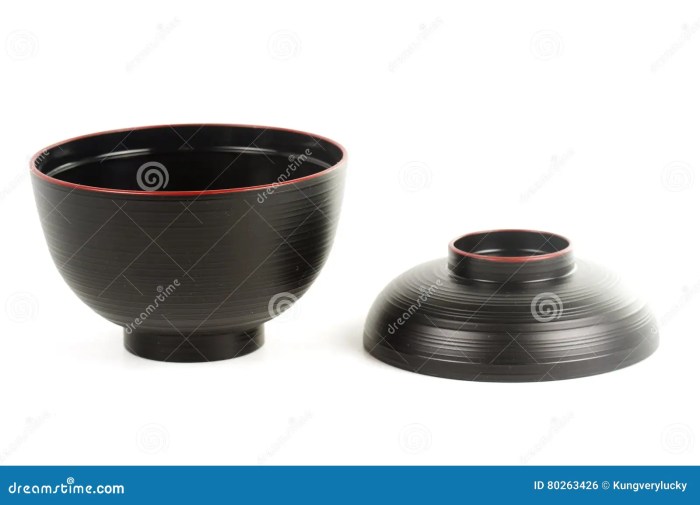
Japanese soup bowls, a cornerstone of culinary aesthetics, draw inspiration from a rich tapestry of natural and artistic influences. Their understated elegance and functional design are deeply rooted in centuries of cultural and historical context, shaping a unique and enduring aesthetic. From the subtle curves of a mountain range to the delicate patterns of a blooming flower, the natural world often serves as a muse for these vessels.The development of Japanese soup bowls reflects a sophisticated understanding of both form and function.
The artistry of the bowls is not merely decorative; it is intrinsically linked to the culinary experience. This connection between the aesthetic and the practical is a hallmark of Japanese design.
Natural Inspirations in Design
The natural world profoundly impacts the design of Japanese soup bowls. The smooth, flowing lines of a river or the subtle contours of a hillside often find their way into the curves and profiles of the bowls. The delicate balance and asymmetry of nature, from a single leaf to the sprawling branches of a bonsai tree, inform the harmonious proportions of these vessels.
The use of natural materials like wood, clay, and lacquer, in addition to the integration of natural motifs, underscores this connection. The subtle play of light and shadow on a mountainside can also be mirrored in the glaze or finish of the bowl.
Artistic Influences
Japanese soup bowls are deeply influenced by centuries of artistic traditions. The principles of minimalism and simplicity, so central to Japanese aesthetics, are clearly reflected in the form and design of these bowls. The elegance of Zen gardens, with their careful arrangements and use of space, has also had a significant impact. The incorporation of traditional Japanese motifs, such as flowers, animals, and landscapes, further demonstrates the profound influence of Japanese artistic expression.
Examples of Influential Artists and Designers
Numerous artists and designers have contributed to the evolution of Japanese soup bowl aesthetics. Their work often reflects a deep understanding of the cultural and historical context, seamlessly blending traditional techniques with modern interpretations. One notable example is the influence of renowned ceramicists like the famed Gen-san who focused on the use of intricate glaze techniques to create a profound artistic expression that seamlessly integrates with the cultural narrative.
Their work has inspired countless contemporary designers to create new interpretations of the form. These interpretations often emphasize the unique interplay of materials and craftsmanship.
Historical Context of Artistic Inspiration
The historical context of Japanese artistic inspiration is multifaceted. The aesthetic principles of Japanese soup bowls evolved over centuries, adapting to changing societal needs and artistic movements. Early examples, often showcasing functional forms with simple decorations, demonstrate a focus on practicality and understated elegance. Later, more elaborate designs often reflected periods of prosperity and cultural exchange. This evolution underscores the dynamic interplay between tradition and innovation in Japanese design.
Cultural and Historical References in Design
Cultural and historical references are deeply embedded in the design of Japanese soup bowls. The choice of materials, the use of specific patterns, and the overall aesthetic frequently draw inspiration from historical periods and cultural events. The motifs used in the bowls may relate to important events, mythical creatures, or philosophical concepts. For instance, the use of the crane in some designs symbolizes longevity and good fortune.
The integration of these references into the design often carries a profound symbolic weight.
Table of Artists and Their Influence
| Artist | Influence on Japanese Soup Bowl Aesthetics |
|---|---|
| Gen-san | Masterful glaze techniques and intricate artistic expression; integrating cultural narratives into the form. |
| [Artist Name 2] | [Description of Influence, e.g., pioneering the use of new materials in the bowls, introducing modern design principles into traditional forms.] |
| [Artist Name 3] | [Description of Influence, e.g., creating minimalist designs that emphasized the simplicity and elegance of the form.] |
Note: The table above provides a starting point. Further research would reveal a broader range of artists and their specific contributions.
Examples and Case Studies
Japanese soup bowls, transcending mere vessels, embody a rich cultural heritage and exquisite craftsmanship. Their design, often informed by centuries of tradition, seamlessly blends practicality with artistic expression. This section delves into specific examples, highlighting their historical significance, aesthetic qualities, and the craftsmanship behind their creation. Case studies illustrate the enduring appeal and success of these exceptional pieces.The examples showcased below represent a spectrum of styles and eras, demonstrating the evolution of Japanese soup bowl design.
They reveal the profound influence of artistic movements, materials, and cultural values on the final product. From simple yet elegant forms to intricately decorated pieces, each bowl tells a story.
Exceptional Examples of Japanese Soup Bowls
These examples represent a cross-section of Japanese soup bowl design, showcasing the evolution of form and function over time. They demonstrate the meticulous attention to detail and the skillful execution of traditional techniques.
- The “Arita Ware” Soup Bowl (Edo Period): This example showcases the influence of the Arita porcelain tradition on Japanese soup bowls. Characterized by its distinctive white glaze and often subtle painted designs, the bowl epitomizes the elegance and refined aesthetics of the Edo period. The craftsmanship involved the careful application of glaze and the precision in firing the porcelain. This technique ensured a smooth, even surface and controlled color.
These bowls were often used for serving delicacies in the homes of the wealthy, emphasizing their social and economic significance.
- The “Hagiware” Soup Bowl (17th Century): This bowl represents the Hagiware tradition, known for its vibrant colors and distinctive patterns. The intricate designs often depicted scenes from nature or everyday life. The historical significance of this example lies in its association with the flourishing of ceramic arts during the 17th century. The craftsmanship in creating these bowls involved the precise application of pigments and the controlled firing process to achieve the desired colors and patterns.
The ability to reproduce designs with accuracy and color consistency is testament to the skilled artisans of the era.
- The “Imari” Soup Bowl (17th-18th Century): Imari ware, characterized by its cobalt blue and gold designs on a white background, is renowned for its striking visual appeal. This soup bowl reflects the growing trade links with Europe and the integration of international influences into Japanese design. The craftsmanship in these pieces involved meticulous painting techniques, achieving vibrant colors and intricate designs. The bowls were often commissioned by wealthy patrons, reflecting their status and taste.
The durability of the glaze, achieved through careful firing processes, further enhances the bowl’s significance.
Craftsmanship in Creating Japanese Soup Bowls
The creation of a Japanese soup bowl is a meticulous process, demanding a deep understanding of materials and techniques. The skill and dedication of the artisans are essential in achieving the desired aesthetic and functional qualities.
- Glazing Techniques: The application and firing of glaze are crucial for the final appearance and durability of the bowl. Different glazes yield varied textures and colors, adding depth to the aesthetic. Different types of glazes were used to achieve specific visual effects. The control of firing temperature was essential in achieving the intended color and texture of the glaze.
- Shape and Proportion: The shape and proportion of the bowl are essential for both aesthetics and functionality. A well-proportioned bowl allows for optimal soup enjoyment. The artisans carefully considered the shape and proportions to create a bowl that was both visually appealing and practical. The shape of the bowl was often dictated by the intended use.
- Decoration Techniques: The intricate designs and patterns on Japanese soup bowls often reflect specific cultural or artistic influences. From simple lines to elaborate scenes, the decorative elements add a layer of richness to the overall design. The techniques used to create these designs varied depending on the era and the style of the bowl.
Case Studies: Success of Japanese Soup Bowl Designs
The enduring appeal of Japanese soup bowls extends beyond their aesthetic value. Their unique design and craftsmanship have resonated with consumers and collectors for centuries. The popularity of Japanese soup bowls has led to various commercial successes.
| Soup Bowl Style | Historical Context | Success Factors | Image Description |
|---|---|---|---|
| Arita Ware | Edo Period (1603-1868) | High demand for elegant, practical tableware | A white-glazed soup bowl with subtle painted designs. The smooth glaze and refined aesthetic made it desirable for both everyday use and display. |
| Imari Ware | 17th-18th Centuries | International trade and demand for exquisite decorative pieces | A soup bowl with cobalt blue and gold designs on a white background. The striking color combinations and intricate designs appealed to both domestic and international markets. |
| Hagiware | 17th Century | Vibrant colors and distinctive patterns attracted a broad audience | A soup bowl with vibrant colors and stylized designs. The use of bold colors and patterns made it stand out and captured the attention of customers. |
Outcome Summary
In conclusion, Japanese soup bowls offer a compelling blend of aesthetics and functionality, seamlessly integrating cultural values into their design. Their evolution from traditional techniques to modern interpretations showcases a dynamic interplay between tradition and innovation. The carefully considered shapes, textures, and materials, combined with the cultural context, elevate the simple act of eating into a profound sensory experience.
